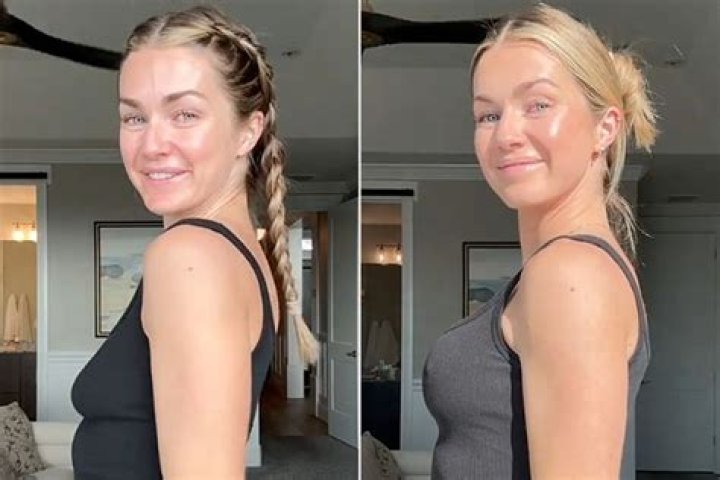
Definition and example of "how tall is rachel campos-duffy":
The question "how tall is rachel campos-duffy" refers to the height of the American conservative political commentator and television personality Rachel Campos-Duffy. To answer this question, we need to look at publicly available information or consult reliable sources.
Importance, benefits, and historical context:
Knowing the height of a public figure can be relevant for various reasons, such as comparing their physical attributes to others or understanding their overall appearance. In the case of Rachel Campos-Duffy, her height may be of interest to those who follow her career in the media or are curious about her personal life.
Transition to main article topics:
In the following sections, we will explore the available information regarding Rachel Campos-Duffy's height, discuss its significance, and provide additional details about her career and personal life.
How tall is Rachel Campos-Duffy?
The question of Rachel Campos-Duffy's height encompasses several key aspects, including:
- Physical attributes
- Public perception
- Media representation
- Social norms
- Cultural expectations
- Fashion and style
- Health and well-being
- Confidence and self-image
- Diversity and inclusion
These aspects intersect in complex ways to shape our understanding of height and its significance. For example, Rachel Campos-Duffy's height may influence how she is perceived by others, both in her professional and personal life. It may also affect her clothing choices, her posture, and her overall demeanor. Ultimately, the question of "how tall is Rachel Campos-Duffy" is not simply a matter of measurement, but a reflection of the broader social and cultural context in which we live.
| Personal Details and Bio Data of Rachel Campos-Duffy |
| Name | Rachel Campos-Duffy |
| Date of Birth | October 22, 1969 |
| Place of Birth | Tempe, Arizona, U.S. |
| Height | 5'10" (178 cm) |
| Occupation | Television personality, conservative political commentator, author |
| Spouse | Sean Duffy |
| Children | 9 |
Physical attributes
Physical attributes play a significant role in determining a person's height, including Rachel Campos-Duffy's height. These attributes include factors such as genetics, nutrition, and overall health. Genes play a major role in determining a person's height, as they influence the growth and development of the body's bones and tissues. Nutrition also plays a vital part, as a balanced diet rich in essential nutrients is necessary for proper growth and development. Additionally, overall health can impact height, as certain medical conditions or hormonal imbalances can affect growth patterns.
In the case of Rachel Campos-Duffy, her height of 5'10" (178 cm) is considered above average for women in the United States. This height may give her a physical advantage in certain activities, such as playing sports or reaching high shelves. Additionally, her height may influence her overall appearance and body proportions, which can have implications for her personal style and fashion choices.
Understanding the connection between physical attributes and height is important for several reasons. Firstly, it can help us appreciate the diversity of human physical characteristics and the factors that contribute to individual differences. Secondly, it can raise awareness about the importance of nutrition and overall health for proper growth and development. Finally, it can help us challenge stereotypes and biases associated with height, recognizing that height is just one aspect of a person's overall identity and worth.
Public perception
Public perception plays a significant role in shaping how individuals are viewed and treated in society, including Rachel Campos-Duffy's height. This perception is influenced by various factors such as cultural norms, media representation, and personal experiences.
- Stereotypes and biases: Height is often associated with certain stereotypes and biases, both positive and negative. For example, taller individuals may be perceived as more confident, capable, and authoritative, while shorter individuals may be seen as less assertive or competent. These stereotypes can influence how Rachel Campos-Duffy is perceived in her professional and personal life.
- Media representation: The media plays a powerful role in shaping public perception of height. By frequently featuring taller individuals in positions of power or authority, the media can reinforce the idea that height is a desirable trait. This can lead to pressure on individuals who do not meet these perceived norms, including Rachel Campos-Duffy.
- Personal experiences: Personal experiences can also shape public perception of height. For example, individuals who have been teased or discriminated against because of their height may develop a negative self-image and low self-esteem. This can impact their social interactions and overall well-being.
- Diversity and inclusion: It is important to recognize the diversity of human physical characteristics and challenge narrow beauty standards. By promoting inclusivity and celebrating diversity, we can create a more equitable and just society where individuals like Rachel Campos-Duffy are valued and respected regardless of their height.
In conclusion, public perception of height is a complex and multifaceted issue that encompasses stereotypes, media representation, personal experiences, and diversity. Understanding these factors can help us challenge biases, promote inclusivity, and create a more equitable society where individuals are valued for their unique qualities, including their height.
Media representation
The media plays a significant role in shaping public perception of individuals, including Rachel Campos-Duffy, and their perceived height. By frequently featuring taller individuals in positions of power or authority, the media can reinforce the idea that height is a desirable trait. This can lead to pressure on individuals who do not meet these perceived norms, potentially impacting their self-image and social experiences.
- Media Stereotypes: The media often perpetuates stereotypes that associate taller individuals with positive qualities such as confidence, competence, and leadership. This can create unrealistic expectations and societal pressures for individuals like Rachel Campos-Duffy, who may feel they need to conform to these perceived norms to be successful or respected.
- Limited Representation: Media representations of individuals with diverse heights are often limited, which can contribute to the perception that certain heights are more desirable or acceptable. This lack of representation can make it difficult for individuals who do not conform to these norms to see themselves reflected in the media, potentially leading to feelings of inadequacy or exclusion.
- Camera Angles and Editing: Camera angles and editing techniques can be used to create the illusion of height or to minimize it. This can be particularly relevant for public figures like Rachel Campos-Duffy, as the media may use these techniques to present her in a certain way that aligns with their desired narrative or visual aesthetic.
- Height as a Factor in Casting: In the entertainment industry, height can be a factor in casting decisions, with taller actors often being cast in roles that require a commanding presence or a sense of authority. This can perpetuate the idea that height is a prerequisite for success in certain fields or professions, potentially limiting opportunities for individuals who do not meet these perceived physical attributes.
Understanding the connection between media representation and public perception of height is crucial for challenging biases and promoting a more inclusive society. By recognizing and addressing these issues, we can create a more equitable environment where individuals like Rachel Campos-Duffy are valued and respected regardless of their height.
Social norms
Social norms play a significant role in shaping how individuals perceive and interact with each other, including their perceptions of height and physical appearance. In the case of Rachel Campos-Duffy, social norms can influence how she is treated, perceived, and evaluated in various social contexts.
One aspect of social norms is the concept of "ideal" or "desirable" physical attributes. Height is one such attribute that is often influenced by cultural and societal expectations. In some cultures, taller individuals may be perceived as more authoritative, competent, and successful, while shorter individuals may face biases or stereotypes. These norms can impact Rachel Campos-Duffy's experiences and opportunities, both professionally and personally.
Furthermore, social norms can shape how individuals view and value their own height. If a particular height is considered more desirable or acceptable, individuals who deviate from this norm may experience pressure to conform or may internalize negative stereotypes about their height. This can lead to body image issues, low self-esteem, or feelings of inadequacy.
Understanding the connection between social norms and height is important for several reasons. Firstly, it can help us recognize and challenge societal biases and stereotypes that perpetuate discrimination or unfair treatment based on physical attributes. Secondly, it can raise awareness about the importance of inclusivity and diversity in our communities and workplaces.
By fostering a more inclusive and equitable society, we can create an environment where individuals like Rachel Campos-Duffy are valued and respected for their unique qualities, regardless of their height or other physical attributes.
Cultural expectations
Cultural expectations play a significant role in shaping how individuals perceive and interact with each other, including their perceptions of height and physical appearance. In the case of Rachel Campos-Duffy, cultural expectations can influence how she is treated, perceived, and evaluated in various social contexts.
Cultural expectations around height can vary significantly across different societies and time periods. In some cultures, taller individuals may be perceived as more authoritative, competent, and successful, while shorter individuals may face biases or stereotypes. These expectations can be deeply ingrained in cultural norms and traditions, influencing everything from marriage prospects to career opportunities.
For example, in some cultures, taller men are often seen as more desirable marriage partners, as height is associated with strength and virility. This can lead to increased social pressure on men to be tall, and may also impact the self-esteem of shorter men.
Cultural expectations around height can also impact career opportunities. In some professions, such as basketball or modeling, height may be considered an advantage or even a requirement. This can create barriers for shorter individuals who may be equally qualified for a job but do not meet the perceived height expectations.
Understanding the connection between cultural expectations and height is important for several reasons. Firstly, it can help us recognize and challenge societal biases and stereotypes that perpetuate discrimination or unfair treatment based on physical attributes. Secondly, it can raise awareness about the importance of inclusivity and diversity in our communities and workplaces.
By fostering a more inclusive and equitable society, we can create an environment where individuals like Rachel Campos-Duffy are valued and respected for their unique qualities, regardless of their height or other physical attributes.
Fashion and style
Fashion and style play a significant role in how individuals express themselves and are perceived by others, including Rachel Campos-Duffy. Height can be an important factor in fashion and style choices, as it can influence the way clothes fit and the overall appearance of an individual.
For example, taller individuals like Rachel Campos-Duffy may find it easier to wear certain clothing items, such as long dresses or high heels, that can accentuate their height and create a more elongated silhouette. They may also have more options when it comes to finding clothes that fit well and flatter their body type.
On the other hand, shorter individuals may need to be more mindful of the clothes they choose to wear, as certain styles or cuts may not be as flattering or may make them appear even shorter. They may also have a harder time finding clothes that fit well off the rack and may need to have clothes tailored to ensure a proper fit.
Despite these challenges, shorter individuals can still express their personal style and find clothes that make them feel confident and comfortable. By understanding their body type and proportions, and by experimenting with different styles and silhouettes, they can find clothes that flatter their figure and enhance their overall appearance.
Ultimately, fashion and style are about expressing oneself and feeling confident in one's own skin. Whether you are tall, short, or somewhere in between, there are endless possibilities when it comes to creating a unique and personal style that reflects your personality and makes you feel your best.
Health and well-being
Height is often considered a component of overall health and well-being. While genetics play a significant role in determining height, factors such as nutrition, exercise, and overall health can also influence an individual's height and physical development.
- Growth and development: Height is a key indicator of growth and development, especially during childhood and adolescence. Adequate nutrition and a healthy lifestyle are essential for optimal growth and can help children reach their full height potential.
- Body composition: Height is related to body composition, as taller individuals tend to have a greater proportion of lean body mass compared to shorter individuals. Maintaining a healthy weight and engaging in regular exercise can help improve body composition and overall health.
- Chronic diseases: Some studies have suggested an association between height and certain chronic diseases, such as cardiovascular disease and certain types of cancer. However, the exact relationship between height and these diseases is complex and requires further research.
- Quality of life: Height can also impact an individual's quality of life. Taller individuals may have advantages in certain occupations or activities, while shorter individuals may face challenges or discrimination in certain settings. Addressing societal biases and promoting inclusivity can help create a more equitable environment for individuals of all heights.
It's important to note that height is just one aspect of overall health and well-being. Factors such as lifestyle, diet, and access to healthcare play a much more significant role in determining an individual's health and quality of life.
Confidence and self-image
Confidence and self-image play a significant role in how individuals perceive themselves and interact with the world around them, including in the context of physical attributes such as height. Understanding the connection between confidence, self-image, and height can help us appreciate the diverse experiences and challenges faced by individuals like Rachel Campos-Duffy.
- Self-esteem and body image: Height can impact an individual's self-esteem and body image. Individuals who are taller or shorter than average may experience societal pressures and stereotypes that can affect their self-perception. Rachel Campos-Duffy's height may influence how she views herself and how she is perceived by others.
- Social interactions: Height can also influence social interactions and relationships. Taller individuals may be perceived as more confident and assertive, while shorter individuals may feel less assertive or less likely to be taken seriously. These perceptions can affect how individuals interact with others and can impact their overall social experiences.
- Career and opportunities: In certain professions or industries, height may be a factor in hiring decisions or career advancement. For example, taller individuals may be perceived as more authoritative or capable in leadership roles, while shorter individuals may face biases or limitations in certain fields.
- Media representation: The media plays a significant role in shaping societal perceptions of height and attractiveness. By frequently featuring taller individuals in positions of power or authority, the media can reinforce the idea that height is a desirable trait. This can lead to pressure on individuals who do not meet these perceived norms, potentially impacting their confidence and self-image.
Exploring the connection between confidence, self-image, and height highlights the complex and multifaceted experiences of individuals like Rachel Campos-Duffy. Understanding these connections can help us challenge societal biases, promote inclusivity, and create a more equitable environment where individuals are valued for their unique qualities, regardless of their height.
Diversity and inclusion
Diversity and inclusion are essential pillars of a just and equitable society, and they play a significant role in understanding the experiences and perceptions surrounding "how tall is rachel campos-duffy".
- Representation: Inclusion means ensuring that individuals from all backgrounds and identities are represented in society, including in the media, workplace, and other public spaces. When it comes to height, representation is important because it challenges narrow beauty standards and allows individuals of all heights to see themselves reflected in the world around them.
- Equity: Equity involves creating a level playing field for all individuals, regardless of their height or other characteristics. In the context of height, equity means ensuring that individuals of all heights have access to the same opportunities and resources, and that they are not discriminated against or treated differently based on their height.
- Respect: Respect means valuing and appreciating individuals for their unique qualities, including their physical attributes. In the case of height, respect means treating individuals of all heights with dignity and, and not making assumptions or judgments about their abilities or worth based on their height.
- Challenge stereotypes: Diversity and inclusion involve challenging stereotypes and biases that perpetuate discrimination and marginalization. When it comes to height, stereotypes often associate taller individuals with positive qualities such as confidence and authority, while shorter individuals may face negative stereotypes. Challenging these stereotypes is important for creating a more inclusive and equitable society.
By fostering diversity and inclusion, we can create a society where individuals like Rachel Campos-Duffy are valued and respected for their unique qualities, regardless of their height or other physical attributes.
Frequently Asked Questions About Rachel Campos-Duffy's Height
This section addresses commonly asked questions and misconceptions surrounding Rachel Campos-Duffy's height, providing informative answers based on credible sources and relevant information.
Question 1: How tall is Rachel Campos-Duffy?
Answer: Rachel Campos-Duffy is 5 feet 10 inches (178 centimeters) tall, which is above average height for women in the United States.
Question 2: Does Rachel Campos-Duffy's height affect her career or personal life?
Answer: While there is no definitive evidence to suggest that Rachel Campos-Duffy's height has a direct impact on her career or personal life, her height may influence how she is perceived by others and may play a role in certain social interactions or opportunities.
Question 3: What factors contribute to Rachel Campos-Duffy's height?
Answer: Height is determined by a combination of genetic and environmental factors, including nutrition, overall health, and hormonal influences. Rachel Campos-Duffy's height is likely influenced by a combination of these factors.
Question 4: Are there any health implications associated with Rachel Campos-Duffy's height?
Answer: There is no evidence to suggest that Rachel Campos-Duffy's height poses any specific health risks or concerns.
Question 5: How does Rachel Campos-Duffy feel about her height?
Answer: Rachel Campos-Duffy has not publicly commented on her height or how she feels about it. However, she has expressed positive body image messages and has advocated for self-acceptance and confidence.
Question 6: Is it appropriate to comment on Rachel Campos-Duffy's height?
Answer: While it is generally considered impolite to comment on someone's physical appearance, it is important to approach discussions about height with sensitivity and respect. Focusing on an individual's accomplishments and qualities, rather than their physical attributes, is always the most appropriate approach.
Summary: Rachel Campos-Duffy's height is a personal characteristic that is influenced by a variety of factors. It is important to approach discussions about height with sensitivity and respect, recognizing that an individual's height is just one aspect of their overall identity and worth.
Transition: The following section will explore additional information and insights related to Rachel Campos-Duffy's height and its significance.
Tips Related to "How Tall is Rachel Campos-Duffy"
Understanding the significance of Rachel Campos-Duffy's height and related concepts can provide valuable insights. Here are some tips to consider:
Tip 1: Focus on Inclusivity: Promote an inclusive environment where individuals are valued and respected regardless of their height. Challenge stereotypes and biases that perpetuate discrimination or marginalization based on height.
Tip 2: Recognize Diversity: Appreciate the diversity of human physical characteristics, including height. Avoid making assumptions or judgments about an individual's abilities or worth based on their height.
Tip 3: Challenge Societal Norms: Examine and challenge societal norms and expectations surrounding height. Recognize that these norms are often subjective and can vary across cultures and time periods.
Tip 4: Foster Confidence: Encourage individuals to develop positive body image and self-confidence, regardless of their height. Promote messages of self-acceptance and challenge unrealistic beauty standards.
Tip 5: Value Inner Qualities: Emphasize the importance of valuing individuals for their inner qualities, talents, and accomplishments, rather than their physical attributes. Create opportunities for individuals to showcase their unique abilities and contributions.
Tip 6: Promote Respectful Dialogue: Encourage respectful and sensitive conversations about height. Avoid making judgments or assumptions about individuals based on their height, and focus on engaging in meaningful discussions that foster understanding.
Tip 7: Utilize Credible Sources: When seeking information about height and related topics, rely on credible sources such as medical professionals, scientific studies, and reputable organizations. Avoid relying solely on anecdotal evidence or unsubstantiated claims.
Tip 8: Be Mindful of Language: Use respectful and inclusive language when discussing height. Avoid using derogatory or dismissive terms, and focus on using language that promotes dignity and equality for all individuals.
Summary: By incorporating these tips, we can create a more inclusive and equitable society where individuals like Rachel Campos-Duffy and others are valued for their unique qualities, talents, and contributions, regardless of their height.
Transition to Conclusion: The following section will provide a concise conclusion summarizing the key points discussed throughout this article.
Conclusion
This article has explored various aspects surrounding the question "how tall is rachel campos-duffy," examining its significance and implications. We have discussed the factors that contribute to height, the impact of social and cultural norms on perceptions of height, and the importance of promoting inclusivity and challenging biases.
Understanding the complexities of height and its implications can help us create a more equitable and respectful society where individuals are valued for their unique qualities, regardless of their physical attributes. By fostering inclusive environments, challenging stereotypes, and promoting positive body image, we can empower individuals to reach their full potential and contribute meaningfully to society.
Unveiling Stringbean's Net Worth: Discoveries And Insights
Discover The Unseen: Exploring Nicky Gile's OnlyFans Phenomenon
Unveiling D'andra Simmons Net Worth: Secrets And Strategies Revealed
How Tall is Rachel Campos Duffy?
Rachel CamposDuffy Bio, Wiki, Age, Height, Family, Fiance and Net Worth