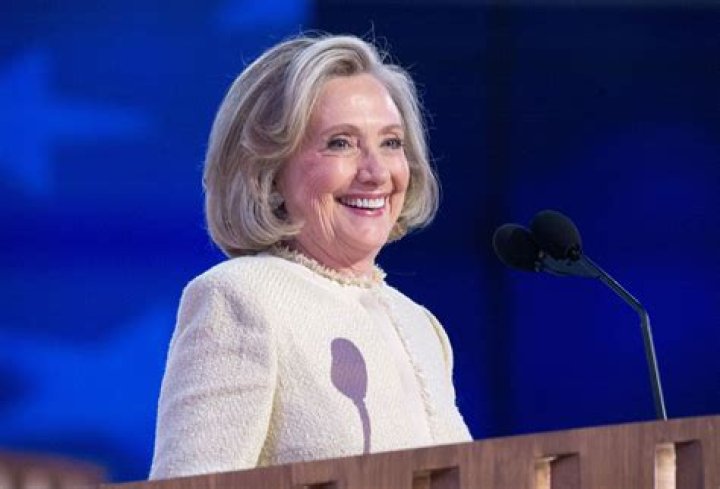
The term "hottest women news reporters" refers to female journalists who are perceived to be attractive and desirable, and who often gain attention for their physical appearance rather than their journalistic abilities.
The focus on the physical attractiveness of female news reporters can be problematic for several reasons. First, it can perpetuate the objectification of women and reinforce the idea that women are primarily valued for their appearance. Second, it can distract from the important work that these reporters are doing, and it can make it difficult for them to be taken seriously as journalists. Third, it can create a hostile and uncomfortable work environment for women in the news media.
Despite these concerns, the focus on the physical attractiveness of female news reporters is likely to continue, as it is a way to attract viewers and sell newspapers. However, it is important to be aware of the potential problems associated with this practice and to work towards creating a more equitable and inclusive environment for women in the news media.
Hottest Women News Reporters
The term "hottest women news reporters" is often used to describe female journalists who are perceived to be attractive and desirable. While there is nothing wrong with finding someone attractive, the focus on physical appearance can be problematic for several reasons.
- Objectification of women
- Distraction from journalistic abilities
- Hostile work environment
- perpetuation of stereotypes
- Lack of diversity
- Negative impact on credibility
- Missed opportunities for talented journalists
- Reinforcement of traditional gender roles
It is important to remember that female journalists are more than just their appearance. They are intelligent, talented, and dedicated professionals who deserve to be respected for their work. The focus on physical attractiveness can create a hostile and uncomfortable work environment for women in the news media, and it can make it difficult for them to be taken seriously as journalists. Additionally, objectifying women and reducing them to their physical appearance reinforces traditional gender stereotypes and perpetuates the idea that women are primarily valued for their looks. This can have a negative impact on women's self-esteem and confidence, and it can make it more difficult for them to achieve their full potential.
Objectification of women
The objectification of women is a serious problem that affects women in all walks of life, including news reporters. When women are objectified, they are treated as objects rather than as human beings. This can lead to a number of negative consequences, including:
- Reduced self-esteem and confidence
When women are constantly being judged on their appearance, it can lead to them feeling bad about themselves and their bodies. This can make it difficult for them to succeed in their careers and personal lives. - Increased risk of sexual harassment and violence
Women who are objectified are more likely to be sexually harassed and assaulted. This is because they are seen as less than human and therefore less deserving of respect. - Perpetuation of gender inequality
The objectification of women reinforces the idea that women are inferior to men. This can make it difficult for women to achieve equality in all areas of life.
The objectification of women is a serious problem that has a number of negative consequences for women. It is important to be aware of this problem and to work towards creating a more equitable and inclusive society for all.
Distraction from journalistic abilities
The focus on physical attractiveness can be a major distraction from the journalistic abilities of female news reporters. When viewers are focused on a reporter's appearance, they are less likely to pay attention to what she is saying. This can make it difficult for female reporters to be taken seriously as journalists and to be seen as credible sources of information.
In addition, the focus on physical attractiveness can create a hostile and uncomfortable work environment for female reporters. They may feel pressure to conform to unrealistic beauty standards and may be subjected to sexist comments and behavior. This can make it difficult for female reporters to focus on their work and to succeed in their careers.
It is important to remember that female reporters are more than just their appearance. They are intelligent, talented, and dedicated professionals who deserve to be respected for their work. The focus on physical attractiveness should not be a distraction from their journalistic abilities.
Hostile work environment
A hostile work environment is one in which an employee is subjected to unwelcome and offensive conduct based on their race, color, religion, sex, national origin, age, disability, or genetic information. This conduct can include verbal or physical harassment, intimidation, or discrimination. A hostile work environment can be created by a single individual or by a group of people, and it can be either intentional or unintentional.
Women in the news media are particularly vulnerable to hostile work environments. This is because they are often the only women in their newsrooms, and they may be subjected to sexist comments and behavior from their male colleagues. Additionally, women who are perceived to be attractive may be subjected to sexual harassment and assault.
A hostile work environment can have a number of negative consequences for women. It can lead to decreased productivity, absenteeism, and turnover. It can also cause women to experience stress, anxiety, and depression. In some cases, a hostile work environment can even lead to physical violence.
Employers are responsible for creating and maintaining a workplace that is free from hostile work environments. This includes taking steps to prevent harassment and discrimination, and to investigate and address any complaints that are made.
Perpetuation of Stereotypes
The term "hottest women news reporters" perpetuates the stereotype that women in the media are primarily valued for their physical appearance rather than their intelligence or journalistic abilities. This stereotype is harmful because it limits the opportunities for women in the news media and reinforces the idea that women are not as capable as men in this field.
- Objectification
When women are referred to as "hottest," it objectifies them and reduces them to their physical appearance. This can make it difficult for women to be taken seriously as journalists and can lead to them being treated as less credible sources of information. - Limited opportunities
The focus on physical appearance can also limit the opportunities for women in the news media. Women who are not considered to be "hot" may be passed over for promotions or assignments in favor of women who are more physically attractive. This can make it difficult for women to advance in their careers and can lead to a lack of diversity in the news media. - Reinforcement of traditional gender roles
The stereotype of the "hottest women news reporter" reinforces traditional gender roles that suggest that women should be valued for their beauty rather than their intelligence or abilities. This can have a negative impact on women's self-esteem and confidence, and can make it more difficult for them to achieve their full potential. - Negative impact on credibility
The focus on physical appearance can also negatively impact the credibility of women in the news media. When viewers are focused on a reporter's appearance, they are less likely to pay attention to what she is saying. This can make it difficult for women to be taken seriously as journalists and can lead to them being perceived as less credible sources of information.
The perpetuation of stereotypes about women in the news media is a serious problem that has a number of negative consequences. It is important to be aware of these stereotypes and to work towards creating a more equitable and inclusive environment for women in the media.
Lack of diversity
The term "hottest women news reporters" is often used to describe female journalists who are perceived to be attractive and desirable. This focus on physical appearance can lead to a lack of diversity in the news media, as women who are not considered to be "hot" may be passed over for promotions or assignments in favor of women who are more physically attractive. This can make it difficult for women to advance in their careers and can lead to a lack of diversity in the news media.
- Limited opportunities
Women who are not considered to be "hot" may be passed over for promotions or assignments in favor of women who are more physically attractive. This can make it difficult for women to advance in their careers and can lead to a lack of diversity in the news media.
- Narrow portrayal of women
The focus on physical appearance can lead to a narrow portrayal of women in the news media. Women who are not considered to be "hot" may be less likely to be featured in stories or may be portrayed in a stereotypical way.
- Negative impact on credibility
The focus on physical appearance can also negatively impact the credibility of women in the news media. When viewers are focused on a reporter's appearance, they are less likely to pay attention to what she is saying. This can make it difficult for women to be taken seriously as journalists and can lead to them being perceived as less credible sources of information.
- Missed opportunities for talented journalists
The focus on physical appearance can also lead to missed opportunities for talented journalists. Women who are not considered to be "hot" may be passed over for opportunities to cover important stories or to work on high-profile projects. This can limit their career development and prevent them from reaching their full potential.
The lack of diversity in the news media is a serious problem that has a number of negative consequences. It is important to be aware of this problem and to work towards creating a more equitable and inclusive environment for women in the media.
Negative impact on credibility
The focus on physical attractiveness can also negatively impact the credibility of women in the news media. When viewers are focused on a reporter's appearance, they are less likely to pay attention to what she is saying. This can make it difficult for women to be taken seriously as journalists and can lead to them being perceived as less credible sources of information.
There are a number of reasons why the focus on physical attractiveness can damage a reporter's credibility. First, it can lead viewers to question the reporter's objectivity. If viewers believe that a reporter is more concerned with her appearance than with reporting the news, they may be less likely to trust what she says. Second, the focus on physical attractiveness can make it difficult for viewers to take a reporter seriously. If viewers are constantly distracted by a reporter's appearance, they may be less likely to pay attention to what she is saying. Third, the focus on physical attractiveness can reinforce the stereotype that women are not as capable as men in the news media. This stereotype can make it difficult for women to be taken seriously as journalists and can lead to them being perceived as less credible sources of information.
The negative impact of the focus on physical attractiveness on the credibility of women in the news media is a serious problem. It can make it difficult for women to be taken seriously as journalists and can lead to them being perceived as less credible sources of information. This can have a number of negative consequences, including reduced opportunities for women in the news media and a lack of diversity in the news media.
Missed opportunities for talented journalists
The term "hottest women news reporters" is often used to describe female journalists who are perceived to be attractive and desirable. While there is nothing wrong with finding someone attractive, the focus on physical appearance can have a number of negative consequences, including missed opportunities for talented journalists.
When news organizations focus on hiring and promoting women who are considered to be "hot," they are missing out on the opportunity to hire and promote talented journalists who may not be as physically attractive. This can lead to a lack of diversity in the news media and can make it difficult for women to advance in their careers.
In addition, the focus on physical attractiveness can create a hostile work environment for women in the news media. Women who are not considered to be "hot" may be subjected to sexist comments and behavior, which can make it difficult for them to focus on their work and to succeed in their careers.
The missed opportunities for talented journalists who are not considered to be "hot" is a serious problem. It is important to be aware of this problem and to work towards creating a more equitable and inclusive environment for women in the media.
Reinforcement of traditional gender roles
The term "hottest women news reporters" reinforces traditional gender roles that suggest that women should be valued for their beauty rather than their intelligence or abilities. This stereotype can have a number of negative consequences, including:
- Objectification
When women are referred to as "hottest," it objectifies them and reduces them to their physical appearance. This can make it difficult for women to be taken seriously as journalists and can lead to them being treated as less credible sources of information. - Limited opportunities
The focus on physical appearance can also limit the opportunities for women in the news media. Women who are not considered to be "hot" may be passed over for promotions or assignments in favor of women who are more physically attractive. This can make it difficult for women to advance in their careers and can lead to a lack of diversity in the news media. - Negative impact on credibility
The focus on physical appearance can also negatively impact the credibility of women in the news media. When viewers are focused on a reporter's appearance, they are less likely to pay attention to what she is saying. This can make it difficult for women to be taken seriously as journalists and can lead to them being perceived as less credible sources of information. - Perpetuation of stereotypes
The term "hottest women news reporters" perpetuates the stereotype that women in the media are primarily valued for their physical appearance rather than their intelligence or journalistic abilities. This stereotype is harmful because it limits the opportunities for women in the news media and reinforces the idea that women are not as capable as men in this field.
The reinforcement of traditional gender roles is a serious problem that has a number of negative consequences for women in the news media. It is important to be aware of this problem and to work towards creating a more equitable and inclusive environment for women in the media.
FAQs on "Hottest Women News Reporters"
The term "hottest women news reporters" has been used to describe female journalists who are perceived to be attractive and desirable. While it is not wrong to find someone attractive, the focus on physical appearance can raise concerns and perpetuate harmful stereotypes.
Question 1: Why is the term "hottest women news reporters" problematic?
Answer: The term objectifies women and reduces them to their physical appearance, which can undermine their credibility as journalists. It also perpetuates the stereotype that women in the media are valued primarily for their looks rather than their intelligence or abilities.
Question 2: How does the focus on physical attractiveness affect women in the news media?
Answer: It can create a hostile work environment, limit their opportunities for advancement, and negatively impact their credibility. Women who are not considered to be "hot" may be passed over for promotions or assignments in favor of those who are more physically attractive.
Question 3: What are the consequences of perpetuating traditional gender roles through the term "hottest women news reporters"?
Answer: It reinforces the idea that women should be valued for their beauty rather than their abilities, which can limit their opportunities and perpetuate the gender gap in the news media.
Question 4: How can we create a more equitable and inclusive environment for women in the news media?
Answer: By challenging stereotypes, valuing women for their intelligence and abilities, and providing equal opportunities for advancement.
Question 5: What is the importance of diversity in the news media?
Answer: Diversity in the news media ensures that a wider range of perspectives and experiences are represented, which leads to more comprehensive and accurate reporting.
Question 6: How can we encourage more women to pursue careers in journalism?
Answer: By providing mentorship and support, highlighting the achievements of successful women journalists, and challenging the stereotypes that discourage women from entering the field.
The issue of "hottest women news reporters" highlights the need for ongoing efforts to promote gender equality and diversity in the news media. By raising awareness and challenging stereotypes, we can create a more inclusive and representative media landscape.
Moving forward, it is crucial to focus on the substance of female journalists' work, their reporting skills, and their contributions to the field, rather than their physical appearance.
Tips for Reporting on Women in the News Media
When reporting on women in the news media, it is important to avoid perpetuating harmful stereotypes and objectifying women. Instead, journalists should focus on the substance of women's work and their contributions to the field.
Tip 1: Avoid objectifying language
When describing women, avoid using language that focuses on their physical appearance. Instead, focus on their accomplishments, their expertise, and their perspectives.
Tip 2: Highlight women's achievements
When reporting on women in the news media, make sure to highlight their accomplishments and contributions. This helps to challenge stereotypes and show that women are capable of success in this field.
Tip 3: Provide context and background
When reporting on women in the news media, provide context and background about the challenges and barriers they face. This helps readers to understand the systemic issues that women face in this field.
Tip 4: Use inclusive language
When reporting on women in the news media, use inclusive language that does not exclude or marginalize women. Avoid using gendered language or stereotypes.
Tip 5: Challenge stereotypes
When reporting on women in the news media, challenge stereotypes about women and their abilities. Highlight the diversity of women's experiences and perspectives.
By following these tips, journalists can help to create a more equitable and inclusive news media landscape.
Key takeaways
- Avoid objectifying language
- Highlight women's achievements
- Provide context and background
- Use inclusive language
- Challenge stereotypes
Conclusion
It is important to report on women in the news media in a way that is accurate, fair, and inclusive. By following these tips, journalists can help to challenge stereotypes, promote diversity, and create a more equitable news media landscape.
Conclusion
The term "hottest women news reporters" is problematic because it objectifies women and perpetuates harmful stereotypes. It is important to focus on the substance of women's work and their contributions to the field, rather than their physical appearance. When reporting on women in the news media, journalists should avoid objectifying language, highlight women's achievements, provide context and background, use inclusive language, and challenge stereotypes.
By following these tips, journalists can help to create a more equitable and inclusive news media landscape. This will allow for a more accurate and comprehensive representation of women in the news and will help to challenge the stereotypes that have historically limited women's opportunities in this field.